
Foreign Aid: MPs vote to keep budget cut for overseas help
- Published

The House of Commons voted by a majority of 35 to keep the foreign aid budget cut in place
MPs have voted to keep a decision made by the government at the end of last year to reduce the amount of money spent on foreign aid.
The government said the spending cut was introduced to help reduce the impact of the coronavirus pandemic on the UK's finances and economy,
It meant that funding to support poorer nations will change from 0.7% to 0.5% of the country's national income - a fall of roughly £4 billion this year.
Lots of MPs were unhappy when the decision was first made, as they weren't given an opportunity to have their say on the cut before it was brought in.
However, in the vote in the House of Commons, MPs voted by a majority of 35 (333 votes to 298) to keep the budget cut in place.
The vote took place on Tuesday afternoon following a three hour debate, and it means foreign aid funding will only return to its usual 0.7% once the UK's finances improve.
Several Conservative MPs - who belong to the same party as Prime Minister Boris Johnson - voted against the decision, alongside Labour and several other political parties.
What is Foreign Aid?

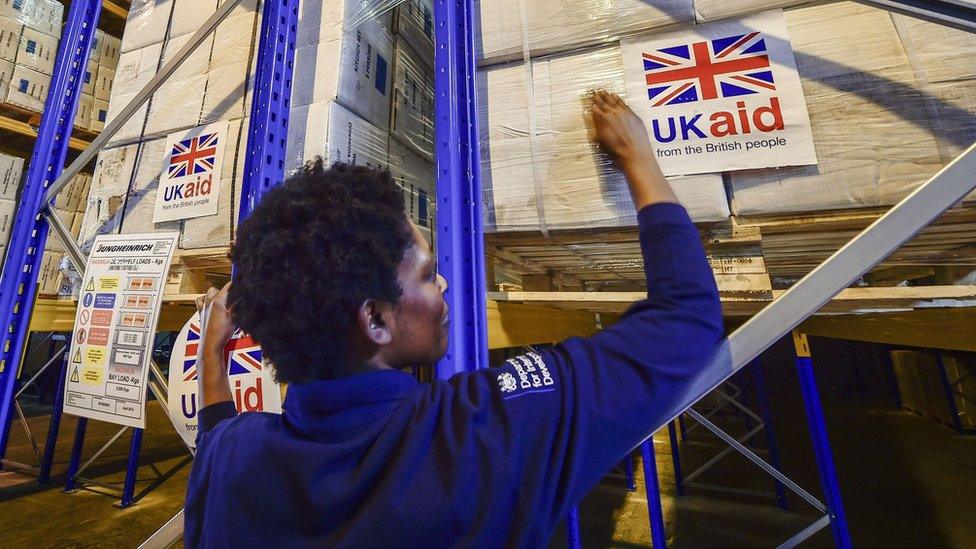
UK aid is distributed with the aim of protecting public health and getting rid of global poverty
Foreign aid is when richer countries - like the UK - give things to poorer countries in order to help them.
It can involve sending things like food, medicine, military equipment, and people to help give training and medical help.
Aid could also be advice on farming methods, help with clean water and building places like schools.
An example of aid is when the United Kingdom gave £230 million to countries in West Africa to help stop the spread of Ebola.
There are different types of aid provided by countries, such as emergency aid which is provided in the short-term after sudden disasters like earthquakes or tsunamis.
Long-term aid is focused more on providing local communities with education and skills in poorer countries.
What changes have the UK government made to Foreign Aid?

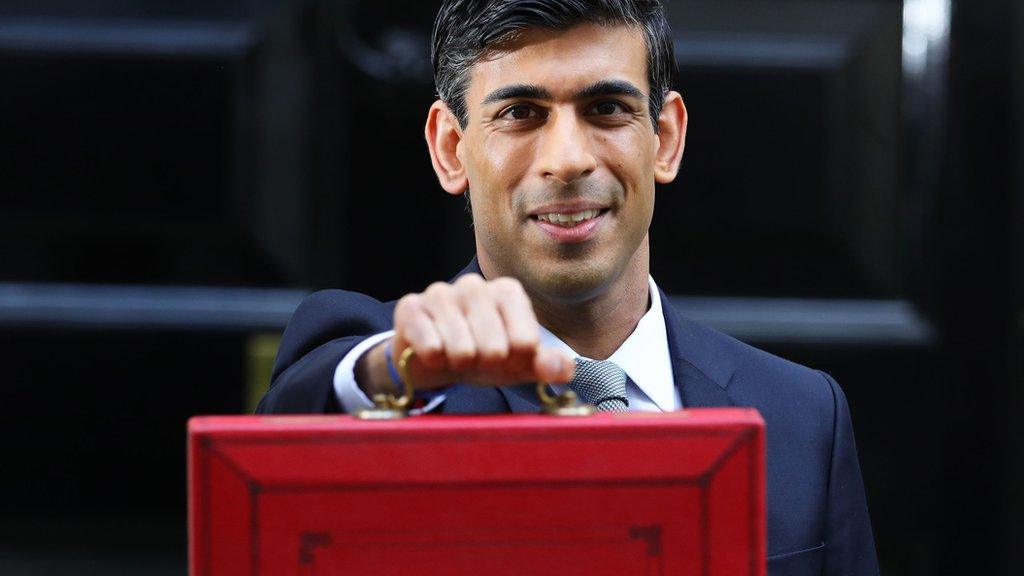
Chancellor of the Exchequer Rishi Sunak delivered the news during the annual spending review last year
The UK government's duty to hit the foreign aid target of 0.7% was made law back in 2015.
And, Boris Johnson made a commitment to spending 0.7% in the Conservative party's 2019 election manifesto.
However, in November last year, the government announced it would be cutting the foreign aid budget from 0.7% to 0.5% of the amount the whole country earns in a year.
These changes to the foreign aid budget were made without allowing other MP's to vote on it first.
The Chancellor of the Exchequer Rishi Sunak - who is in charge of how the UK's money is spent - said that because of the coronavirus pandemic, he wanted to save money where he could, and this meant cutting the foreign aid budget.
Mr Sunak said it would return to 0.7% when the UK's finances improve.
On Tuesday during a debate in the House of Commons, the prime minister said the cut to foreign aid was a temporary measure put in place to help reduce public borrowing.
He added that the reduction was temporary and people could "take pride that the UK will still contribute at least £10bn of our GDP" to aid.
"This is not an argument about principle," Mr Johnson said. "The only question is when we return to 0.7% and my purpose today is to describe how we propose to achieve this shared goal in an affordable way."
Following the result of the vote, Chancellor Rishi Sunak said the "temporary" cut in aid spending would continue as planned.
What have critics said?

Former prime minister Theresa May voted against the budget cut
Some MPs, including many from the prime minister's own party, were not happy that the government made a decision on the foreign aid budget without having a vote first. They believed the government's actions were unlawful.
Last month, a group of around 30 Conservative MPs teamed up to 'rebel' against this decision and vote to reverse it.
Former Conservative Prime Minister Theresa May, one of the Conservative MPs who have been highly critical of the cut, voted against the government.
Labour leader Sir Keir Starmer said the cut was "not in the national interest", adding: "Cutting aid will increase costs and have a big impact on our economy. Development aid reduces conflict. It reduces disease and people fleeing from their homes."
International charities like Oxfam and ActionAid have criticised the outcome, and they've warned that projects are being called off as a result of the cuts.
Oxfam GB chief executive Danny Sriskandarajah described the vote as "a disaster for the world's poorest people".
- Published25 November 2020
- Published27 October 2021
- Published6 June 2021


