Could crime scene techniques help tackle illegal trade of sharks and rays?
- Published

There are about 400 species of sharks worldwide, but shark populations are declining
Dusting for fingerprints is something you might associate with police crime scenes.
But now conservationists are using the method to tackle the illegal trade in fish like sharks and rays.
Research shows forensic methods to test "fish dust" found on factory floors could help identify rare, protected animals that have been illegally fished and traded.
In the journal, Conservation Letters, the researchers said their crime scene-style methods could "become a powerful and cost-effective monitoring tool".
Why are sharks at risk?

89% of the hammerhead shark family are at risk of extinction
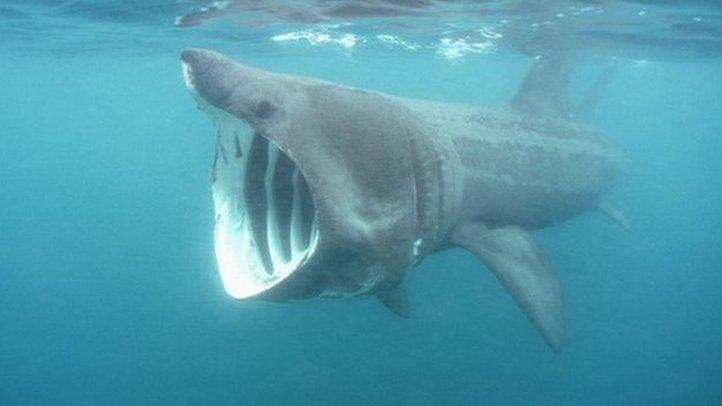
Worldwide there are some 400 species of sharks, but their populations are declining and more than 50% of these beautiful ocean animals are at risk of extinction.
Buying and selling shark fins is worth about £1.2 billion pounds each year. They're used to make shark fin soup and some people believe shark fins help with certain illnesses - but there is no evidence at all for this.
Buying and selling shark fins is not illegal everywhere - but it is monitored and CITES - the Convention on International Trade in Endangered Species of Wild Fauna and Flora - is an international agreement with 183 countries that aims to protect and conserve wildlife, including 150 species of sharks and rays.
How could a crime scene investigation help marine animals?

Species of stingrays and sharks could be saved with these new investigative methods
Normally, inspectors looking at shark fins they find at ports and borders use their expert knowledge to determine which species they're from but they can make mistakes.
Whereas, analysing DNA, like they do at crime scenes, is a quicker, easier and cheaper way to identify wildlife species.
It works perfectly, it's quicker to sample, and it uncovers twice as many species, in a fraction of the time and effort
How does the 'fish dust' method work?
Experts collect wildlife dust or scraps from factories where they suspect illegally caught fish species might have been stored.
They analyse the dust using a technique called "metabarcoding" which tells them whether the DNA matches with illegally-traded, or protected fish or not.
In Java, Indonesia, experts collected dust from seven plants - or big factories
Using "metabarcoding" they quickly identified species using DNA in the dust
61 species of shark and ray species were found - double those found using normal methods
Researchers said 80% of the species identified were illegal
Dr Andhika Prasetyo, lead author of the research, from the University of Salford said: "Having the ability to effectively 'dust' a warehouse or a boat 'for fingerprints' is a major weapon in identifying wrongdoing and turning exploitation on a path to sustainability.
"It works perfectly, it's quicker to sample, and it uncovers twice as many species, in a fraction of the time and effort."
- Published18 January 2023
- Published26 May 2022

- Published3 January 2023